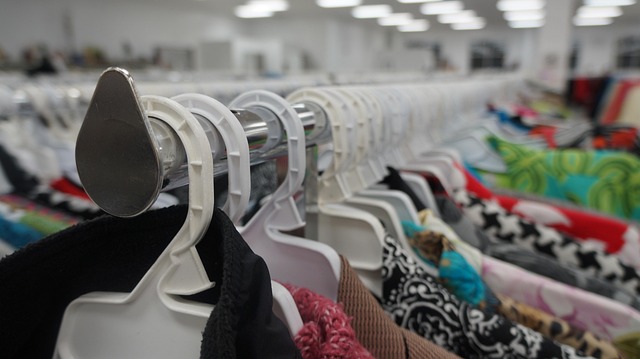
Questions are grouped by learning goals: courses, materials and construction, retail presentation, and site policies. Expand any item to read a concise, neutral explanation.
Courses
Questions about course scope, learning style, and what to expect from apparel category and retail education content.
Who are the courses designed for?
Who are the courses designed for?
Our courses are designed for learners who want structured clothing product knowledge. This includes fashion students, retail associates, visual merchandising trainees, e-commerce content teams, and individuals who simply enjoy understanding how apparel is built and presented. The content is educational and does not require prior professional experience.
What topics are covered beyond style trends?
What topics are covered beyond style trends?
We cover practical foundations that support trend understanding: category frameworks, fabric behavior, garment construction cues, sizing and fit language, care labels, and product presentation standards. Trends are discussed as context for assortment planning and wardrobe logic, not as a fast changing checklist.
Do I need special tools or software to follow the learning materials?
Do I need special tools or software to follow the learning materials?
No special tools are required. The learning materials are designed to be readable on mobile and desktop. If you want to practice actively, you can use everyday references such as clothing labels, product pages, or a small selection of garments to compare fiber content, construction, and finishing details.
Is your content specific to Ireland, or is it applicable globally?
Is your content specific to Ireland, or is it applicable globally?
The learning approach is globally applicable because fabrics and construction principles are consistent across markets. Our examples and tone are oriented toward learners in Ireland, with practical references to everyday retail environments and a preference for clear, neutral product communication.
Do you provide certificates or professional accreditation?
Do you provide certificates or professional accreditation?
The platform is educational and focuses on knowledge building. We do not represent the content as formal accreditation or a regulated qualification. If you need a recognized credential, you can use our content as supplementary learning alongside an accredited program.
Fabrics and construction
Questions that help you build a consistent vocabulary for materials, finishing, and how garments behave in wear and care.
Explore neutral explainers in Fashion Insights, then use Resources as a quick reference when comparing labels and finishes.
What is the simplest way to compare fabrics across garments?
What is the simplest way to compare fabrics across garments?
Start with fiber content and structure. Read the label to identify the main fibers and the blend ratio, then observe the fabric build: knit versus woven, the thickness, and the surface finish. Finally, consider the intended use: breathability for warm weather, insulation for cold seasons, or resilience for frequent wear. Using the same comparison steps builds consistent judgment.
How do you explain “drape” in practical terms?
How do you explain “drape” in practical terms?
Drape is how fabric falls and moves in relation to the body. Softer, fluid fabrics often form gentle folds and follow motion, while structured fabrics hold shape with clearer lines. Drape is influenced by fiber, yarn, weave or knit, weight, and finishing. In retail, drape affects how a silhouette reads on a hanger, mannequin, and in product photography.
What construction details often signal careful workmanship?
What construction details often signal careful workmanship?
Look for consistent stitching, clean seam finishes, secure hems, smooth zips, and well placed linings or facings. Pattern matching in checks or stripes can be a cue in certain categories. Construction should suit the garment purpose: an outerwear piece may prioritize stability and weather resistance, while a lightweight top may prioritize softness and comfort.
Do you provide care advice for specific garments?
Do you provide care advice for specific garments?
We provide educational guidance on how common materials typically behave and which care symbols are used. For any specific item, the label and manufacturer instructions should be treated as the primary source. Care recommendations can vary based on dyes, trims, coatings, and construction methods.
How should I think about seasonal materials?
How should I think about seasonal materials?
Seasonal suitability often comes from weight, breathability, and layering potential. Linen and lightweight cottons can feel crisp and breathable, while wool and heavier knits can support insulation and structure. Blends may adjust comfort or durability. We encourage learners to evaluate materials based on function first, then align the aesthetic to the season.
Retail presentation and trends
Questions about merchandising logic, product storytelling, and how to view trends as structured signals rather than hype.
The gallery provides calm, fashion focused imagery that supports learning around silhouettes, styling, and presentation techniques.
Visit Gallery
What does “category knowledge” mean in a retail context?
What does “category knowledge” mean in a retail context?
Category knowledge is the ability to understand how product families fit together: silhouettes, fabric choices, typical price and quality cues, and how customers use the items. For example, knitwear can be grouped by gauge, fiber mix, and warmth level, which influences how it is displayed and how it is described on a product page.
How do you approach fashion trends without overstatement?
How do you approach fashion trends without overstatement?
We treat trends as observable patterns across silhouette, color, fabric, and styling, then relate them to wardrobe logic and retail presentation. Instead of promising outcomes, we focus on interpretation: what is changing, what stays consistent, and how to communicate a seasonal direction in a clear and respectful way.
What are practical principles for a clean apparel display?
What are practical principles for a clean apparel display?
Clarity and consistency matter. Group items by category and visual weight, maintain even spacing on rails, and ensure sizes are easy to locate. Use a restrained color story and keep focal points intentional. When photographing or styling, check fit, smooth wrinkles that distract from construction, and show key details such as closures and textures.
Do you cover e-commerce presentation as well as in-store merchandising?
Do you cover e-commerce presentation as well as in-store merchandising?
Yes. Many principles overlap, such as clear product naming and consistent category structure. E-commerce adds the need for accurate detail views, fabric readability, and descriptions that translate material and construction in plain language. The goal is alignment between what the product is and how it is presented.
Can I use your content to train a retail team?
Can I use your content to train a retail team?
The content can support internal learning and discussion, especially for shared vocabulary around fabrics, categories, and presentation standards. For formal training programs, ensure your use aligns with your organization’s requirements and our site terms. If you want guidance on selecting relevant topics, contact us and describe your learning objective.
Privacy and site use
Questions about cookies, analytics, advertising measurement, and how to manage consent preferences.
Do you use cookies and similar tracking technologies?
Do you use cookies and similar tracking technologies?
Yes. The site uses essential cookies for core functionality and may use analytics and advertising technologies only after you provide consent. You can review categories and control choices in the cookie preferences panel and read full details on the Privacy page.
How can I change my cookie preferences later?
How can I change my cookie preferences later?
Click “Manage cookie preferences” in the website footer. This opens the preferences panel where you can enable or disable analytics and marketing categories. Essential cookies remain on to ensure the site works correctly.
Does the website collect sensitive personal data?
Does the website collect sensitive personal data?
No. The site is focused on fashion education. If you contact us, you can choose what to include in your message. We recommend avoiding sensitive information and keeping questions related to courses, apparel topics, or site navigation.
Why do you mention Google and Meta in your privacy information?
Why do you mention Google and Meta in your privacy information?
We may work with advertising partners such as Google and Meta to measure campaign performance and show relevant ads to people who previously visited the site. These technologies are activated only when you consent to marketing cookies. Full details, including opt-out options, are provided on the Privacy page.
Still have a question?
If your question is about course topics, clothing categories, or how to use our learning resources, send us a message. We will review your inquiry and respond by email. For privacy related questions, please consult the Privacy page first.