
Use the captions as prompts: identify garment categories, notice construction details, and describe fabric surface and drape. For deeper context, compare what you see here with topics in Fashion Insights.
Gallery themes
Each theme highlights a practical lens used in fashion retail education. The goal is to strengthen your ability to observe garments with precision and communicate product qualities clearly.
Spot proportions, balance, and the role of each piece within an outfit or assortment.
Observe lighting, spacing, product grouping, and labeling clarity for a premium experience.
Look for seams, stitching, linings, and finish details that influence durability and fit.
Notice sheen, texture, and movement, and connect them to likely fiber and weave choices.
Curated selections
A balanced mix of product details and wider scenes. Each card is meant to be a learning prompt, not an advertisement. Use the captions to guide what you look for and how you describe it.
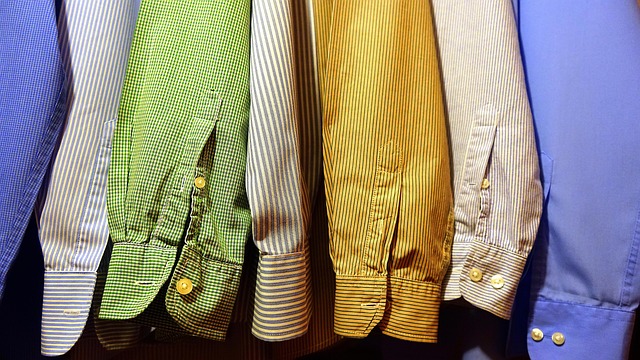
Look for spacing, color rhythm, and how category grouping communicates selection.
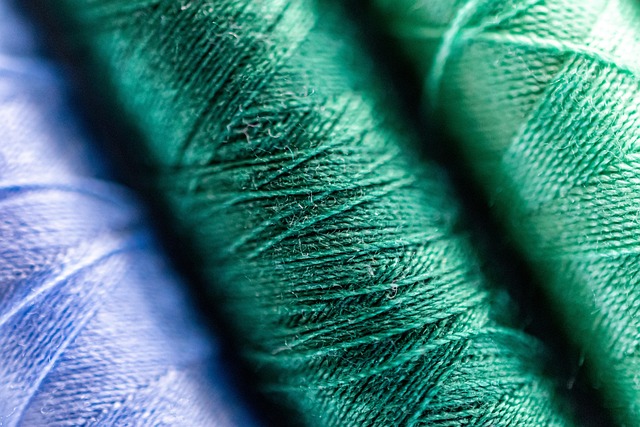
Describe surface, density, and potential care considerations based on finish and fiber.

Note lapel shape, stitch quality, and lining choices that affect structure and comfort.

Observe fold standards, sizing clarity, and how stacks support a calm shopping flow.
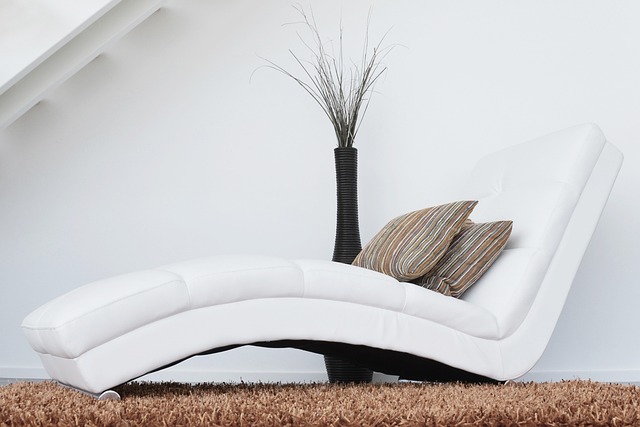
Identify silhouette balance and why the fabric choices make the outfit feel cohesive.
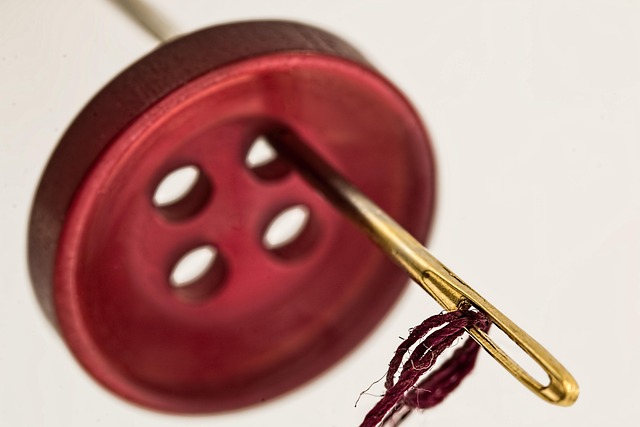
Use fiber content and care symbols to infer performance, feel, and seasonal suitability.

Compare collar shapes, closures, and insulation cues that define use cases across seasons.
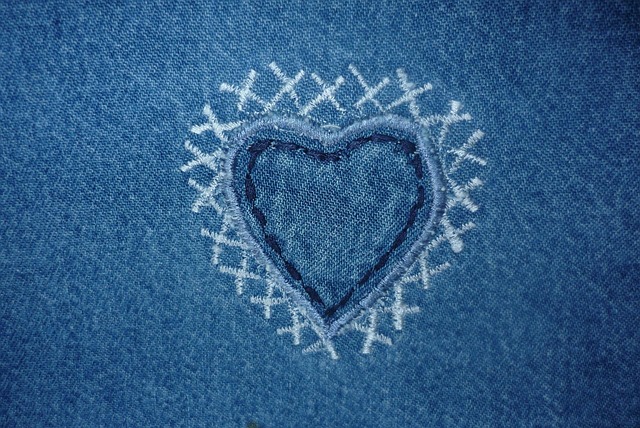
Check seam types, rivets, and topstitching for durability and visual identity.
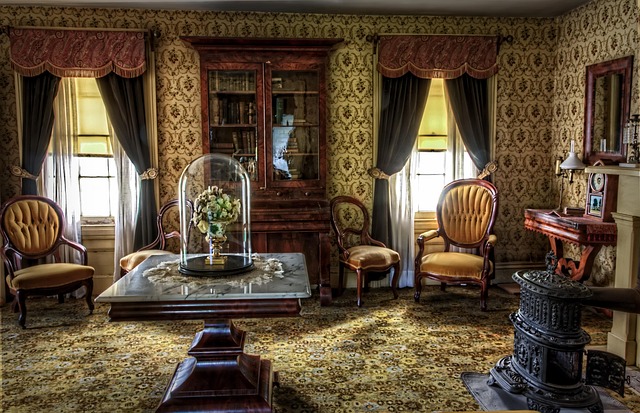
Notice materials, lighting, and layout choices that support calm evaluation of fit and style.
Observation prompts
Use these prompts to turn images into practical learning. The focus is on product knowledge and retail communication, including vocabulary you can use in course notes, team discussions, or personal study.
Describe the garment in one sentence
Include category, silhouette, key material or finish, and intended season or use.
Identify three quality cues
Look for seam alignment, edge finishing, lining choices, and hardware consistency.
Explain the color story
Describe whether the palette is tonal, contrasting, or anchored by neutrals, and why it works.
Translate visuals into customer language
Practice a concise product description that feels helpful and accurate, without hype.